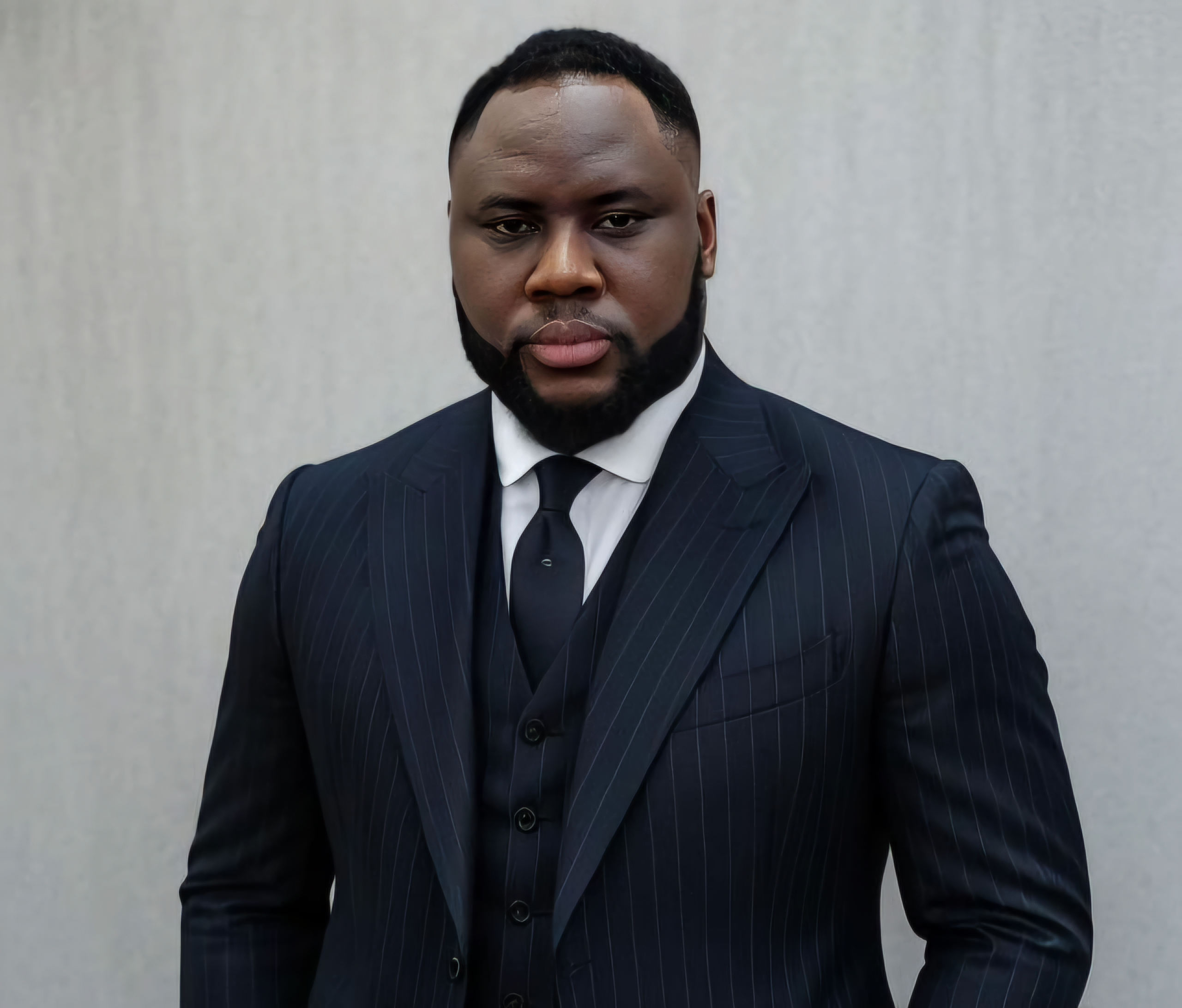
In 2010, I wrote my first line of code on a borrowed laptop. There was no bootcamp, no university CS programme — just curiosity, the internet, and a compulsive need to understand how things worked.
Sixteen years later, I run a technology consulting company, manage infrastructure for clients across multiple industries, and architect systems that process hundreds of thousands of transactions. What changed is the scale of the problems. The underlying drive is identical.
This is what I've learned about what separates technology that delivers from technology that disappoints.
The Problem with Most Technology Projects
The majority of software projects fail not because of the technology — they fail because someone optimised for the wrong thing.
- Built for the demo, not for production traffic
- Engineered for features, not for outcomes
- Priced by the hour, not by the result
After 16 years and 50+ delivered projects, I've developed a different model. I build for the business goal, backwards from the result.
The technology is the means. The outcome is the point.
What That Looks Like in Practice
Starting With the Business Constraint
Before I write a single line of code, I need to understand one thing: what does success look like, and how will we measure it?
Every project I take on begins with this framing. It's the difference between building a "website" and building a customer acquisition engine. Between building "an app" and building a tool that eliminates a manual process costing a client 20 hours a week.
Engineering for Reliability, Not Just Functionality
Functionality is table stakes. A system that works in demonstration is irrelevant if it fails at 3 AM when no one is watching.
My engineering standards include:
- Zero-downtime deployment pipelines — Code reaches production without service interruption
- Automated monitoring and alerting — Issues are detected and flagged before clients notice
- Disaster recovery protocols — Tested backup and restore systems with documented RTO/RPO targets
- Security hardening by default — Not bolted on at the end, but designed into the architecture from the start
The Proof: Projects That Delivered Measurable Outcomes
ScrybaSMS — I architected and built this global SMS platform from the ground up. It has processed over 452,800 messages for 22,780+ users with 99.9% uptime. Built initially in PHP (Yii), it has been progressively modernised without a single hour of planned downtime.
ShynDorca E-Commerce — A full-stack retail platform featuring a custom Laravel backend, Vue.js frontend, and a WhatsApp-integrated checkout flow. Brought a traditional market business into the digital economy.
LaweiTech Store Manager — A custom inventory management system that reduced a retail client's stock reconciliation time by an estimated 90%.
Nexus Retail OS — A multi-tenant cloud POS system built for markets where internet connectivity is unreliable. The offline-first mobile POS runs a local SQLite database and syncs with conflict resolution when connectivity returns. Built for resilience in conditions where off-the-shelf solutions fail.
Open-Source Contributions — 9 published packages on Packagist, including laravel-backup-complete-restore and laravel-google-drive-filesystem, used by Laravel developers globally.
My Current Focus: AI-Integrated Engineering
The most significant shift in software development over the past two years is the maturation of AI tooling from novelty to genuine productivity multiplier.
I have integrated AI-driven development workflows across my entire practice:
- Agentic engineering — AI agents that plan, research, implement, and verify code changes autonomously
- LLM-powered automation — Language model pipelines for document processing, content generation, and data enrichment
- RAG architectures — Retrieval-Augmented Generation systems grounding AI outputs in proprietary knowledge bases
- Predictive analytics — ML models for decision support in financial and operational contexts
For my clients, this means faster delivery timelines, higher code quality, and access to AI-integrated features that previously required a dedicated ML team.
What I Bring to Your Project
If you're looking for a developer who will take your spec sheet and return a working system — I can do that. But that's not what I think my value proposition is.
What I bring is 16 years of pattern recognition: I've seen what works, what quietly accumulates into technical debt, and what makes the difference between a project that stays maintained and one that gets rewritten in two years.
I bring opinions about architecture, honest assessments of risk, and a results-first commitment to every engagement.
Whether you need a senior architect to lead a complex zero-to-one project, a consultant to audit and optimise existing infrastructure, or an integration specialist to bring AI-driven automation into your workflows — I build for outcomes, not deliverables.
Ready to build something that delivers? Drop me a message at [email protected] and let's start with the result you're trying to achieve.